
REVIEW · NAPLES
From Naples: Phlegraean Fields 5-Hour Fiat 500 or 600 Tour
The best part of this five-hour outing is the car itself. You leave Naples in a polished Fiat 500 or 600, turning a sightseeing trip into a small piece of Italian social history. Around Campi Flegrei, Roman ruins rise beside volcanic lakes, old ports, and sea views.
I like the access to places that can be awkward to connect on your own, and I like the human scale of a private tour. Your guide can explain the myths of Lake Avernus, the Roman remains at Baia, and the volcanic ground beneath you. The drawback is simple: at $339.86 per person, this makes the most sense for two people who value private transport and a special vehicle.
The recommended group size is two, with room for up to three. A larger party may be possible by request, but the small format is part of the charm. On one outing, Alberto guided while Luigi drove, and the pair helped make the route feel safe, relaxed, and personal.
Key points to know before you book
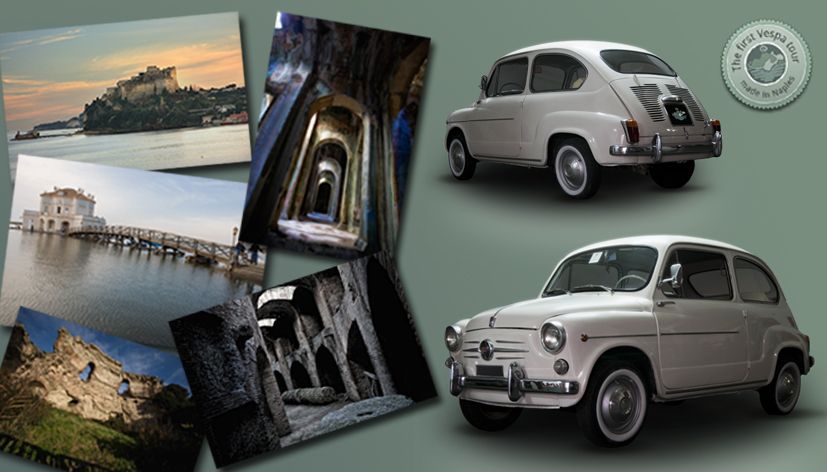
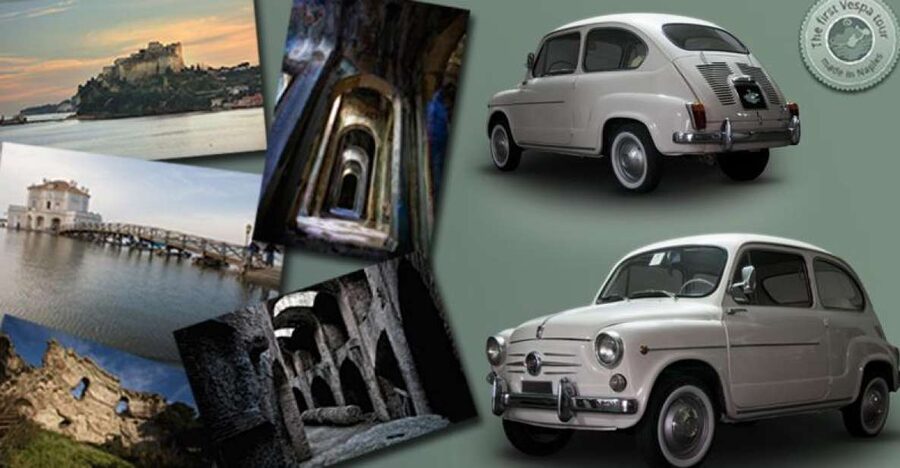
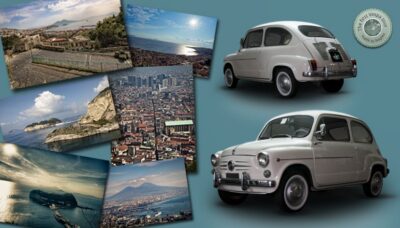
- A vintage Fiat is the main attraction: The Fiat 500 and 600 are classic Italian cars from the 1950s and 1960s, and passers-by often recognize them at once.
- Campi Flegrei is more than a day trip to Pompeii: You see volcanic lakes, Roman ruins, coastal views, Baia, Pozzuoli, Bacoli, and Cape Miseno.
- Three admissions are included: Your price covers the Anfiteatro Flavio, Terme di Baia, and Casina Vanvitelliana.
- Hotel, port, and station pickup are included: This is particularly useful if you are arriving by cruise ship or train.
- The private format keeps the pace flexible: The guide can offer alternate ways to sample local traditions and enjoy the views.
- Plan for comfort, not fashion: Wear comfortable shoes and clothes, and bring sunglasses and a camera.
Why Campi Flegrei makes a strong alternative to the usual Naples day trip
Many people come to Naples with Pompeii fixed in their plans. Campi Flegrei gives you a different view of the area, one shaped by volcanoes, ancient resorts, lakes, and the sea.
The name means Burning Fields, a fitting description for ground formed by volcanic activity. The area west of Naples has long been tied to Roman life, myth, leisure, and military power. Its ruins do not sit in one tidy archaeological park. Instead, they appear across Pozzuoli, Baia, Bacoli, and the nearby lakes.
That scattered layout is exactly why a private vehicle helps. You are not spending your day figuring out buses, transfers, and taxi rides between sites. You can focus on the contrast between the Roman world and the restless land beneath it.
I also like the way the Fiat changes the tone of the day. This is not a large coach with a microphone and a fixed seat. You travel in a small, recognizable car that belongs to Italy’s postwar story. The Fiat 600, in particular, became a symbol of the economic growth of the 1960s. The car is compact, so the recommended group size of two is worth taking seriously.
More Vintage Fiat 500 Tours in Naples:
- Naples: Panoramic Private Tour by Vintage Fiat 500 or 600
★ 5.0 · 7 reviews - Naples: Private Tour by Classic Fiat 500 or Fiat 600
★ 5.0 · 6 reviews - Private Tour: Naples Food Tasting Tour by Vintage Fiat 500/600
★ 5.0 · 4 reviews
Leaving Naples in a Fiat 500 or 600
Pickup is available at your hotel, the train station, the port, or another place you choose in Naples. That broad pickup arrangement makes the tour useful for cruise passengers, especially those who want to see more than the immediate city center before returning to the ship.
The cars are described as being in perfect working condition, and fuel and third-party insurance are included. Your driver is also an expert guide or works with the private authorized guide accompanying you. Languages include English, Spanish, French, and Italian.
The first practical point is space. A classic Fiat is charming because it is small, not because it offers room to stretch out. Two people are recommended, and three can fit. If you are bringing a larger party, ask in advance about a custom arrangement rather than assuming several cars will be waiting.
The ride itself is part of the experience. People who remember these cars may look twice as you pass. That response gives the drive a social quality you do not get from a standard minivan. At the same time, you should choose this tour for the character of the car, not for maximum legroom or a silent ride.
Pozzuoli Port and the Temple of Serapide
Pozzuoli is one of the key gateways to Campi Flegrei. Its port area connects the modern town with the ancient Roman world, when this coast was a major center of trade and leisure.
The Temple of Serapide, also called the Serapeum, is especially useful for understanding the land here. Despite its name, the site is generally understood as a Roman market connected with the Egyptian god Serapis. Its famous columns show marks left by marine mollusks, evidence that the ground has risen and fallen over time.
That detail gives you a quick lesson in bradyseism, the slow movement of the earth in this volcanic area. The ruins are not just old stones. They help you see that Campi Flegrei has never been geologically still.
Your guide can add the local myths and explain how the ancient sites fit into the larger story of Pozzuoli. Since this is a private tour, you can ask questions without trying to catch a guide’s voice over a large group.
The Anfiteatro Flavio and Rome’s public life
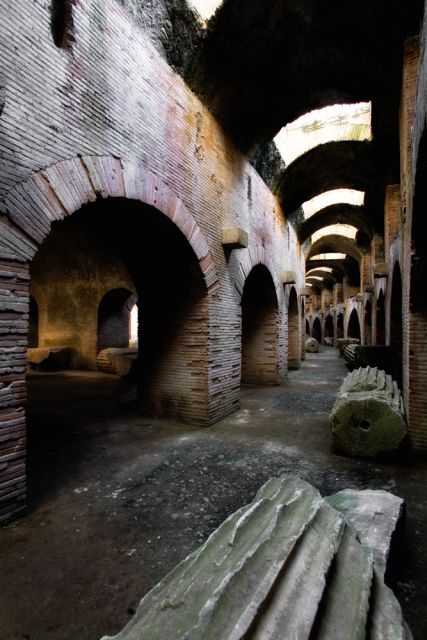
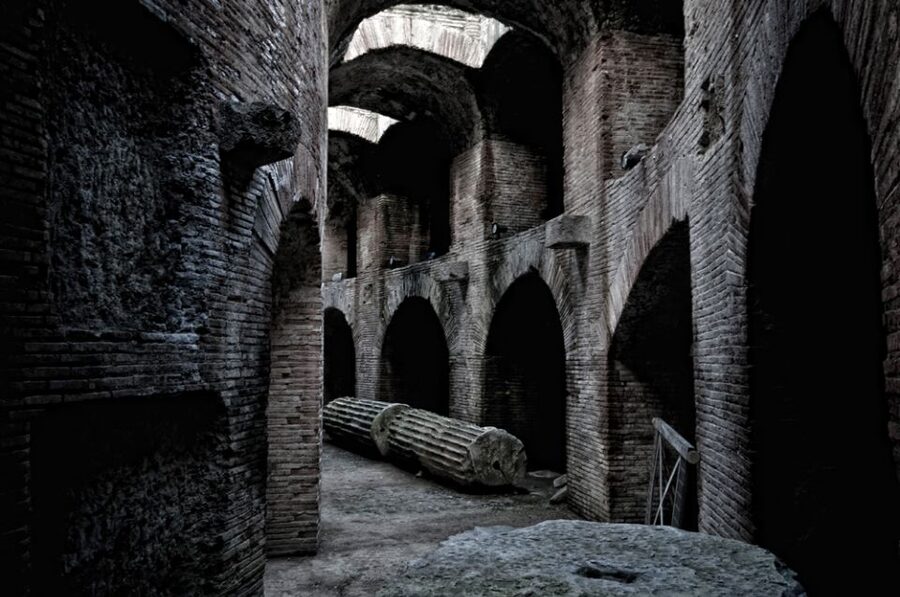
The Anfiteatro Flavio is one of the major Roman stops on the route. It is often associated with the same Roman building tradition as the Colosseum, though it is far less crowded and easier to approach as part of a local visit.
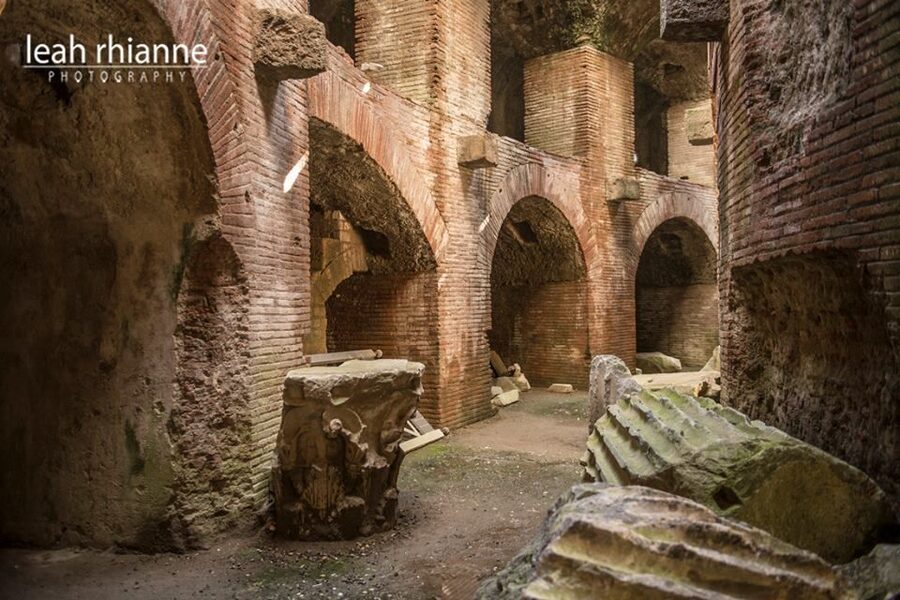
The included admission matters here. You do not need to budget separately for this site, and the tour includes skip-the-line access. The amphitheater gives you a sense of how public entertainment worked in a Roman city outside Rome itself.
Allow yourself time to look below the arena level, where the working parts of the building become more apparent. The ruins are valuable because they show the structure behind the spectacle. Your guide can help connect the visible stonework with the city that once used it.
This stop also helps balance the more scenic parts of the outing. Campi Flegrei is not only lakes and coastal roads. You get a clear Roman monument with a scale that rewards a slow look.
More Vespa Tours in Naples:
- Private Sightseeing Tour in Naples by Vespa
★ 5.0 · 75 reviews - Panoramic Naples Private Tour by Vintage Vespa
★ 4.8 · 15 reviews - Private Tour: Naples Food Tasting Tour by Vintage Vespa
★ 5.0 · 13 reviews - Amazing audioguided Vespa Tour of Naples – with driver
★ 5.0 · 11 reviews
Lucrino, Monte Nuovo, and Lake Avernus
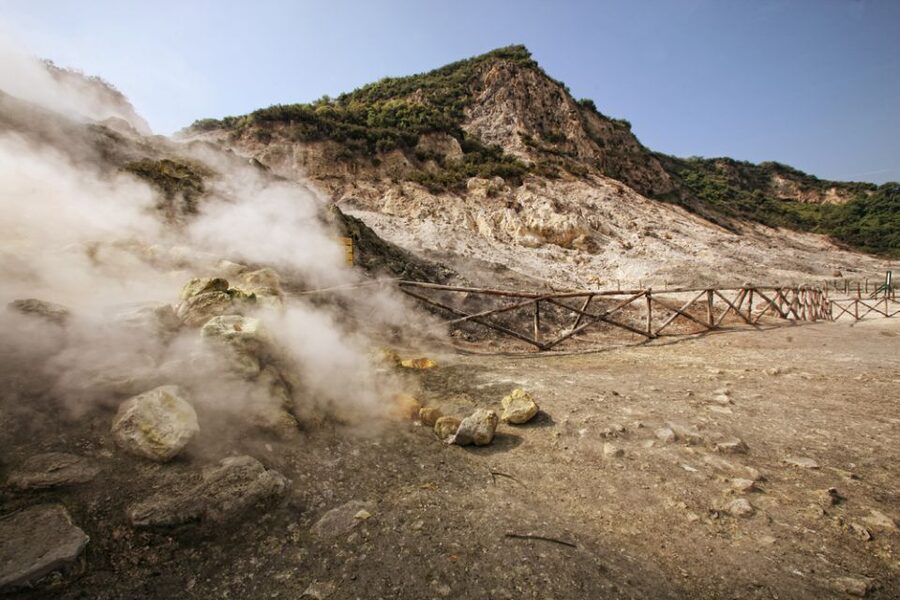
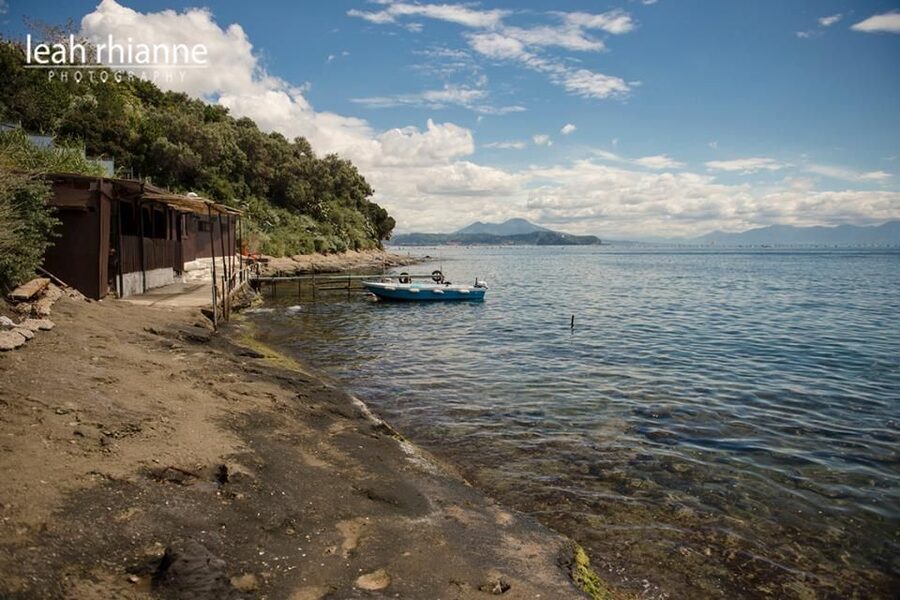
The route then moves through volcanic scenery. Lake Lucrino sits near the coast and was prized by ancient Romans for its pleasant setting and warm waters. The area was associated with villas, baths, and leisure, making it an important link between natural beauty and Roman wealth.
Monte Nuovo offers a different lesson. It is a volcanic cone formed during an eruption in the sixteenth century, a reminder that the region’s activity did not end in antiquity. You do not need to treat the stop as a strenuous hike. The value is in seeing how quickly the scenery changes from Roman resort country to active volcanic ground.
Lake Avernus carries some of the strongest myths in the region. Ancient writers connected the lake with the underworld, and its name became tied to the entrance to the realm of the dead. The dark legend makes more sense when you see the lake’s enclosed setting and remember how little ancient people knew about volcanic gases and underground activity.
I like this part of the tour because the guide can join geology, myth, and Roman history without forcing you into a classroom. You see the places first, then hear why they mattered.
Baia and the Terme di Baia
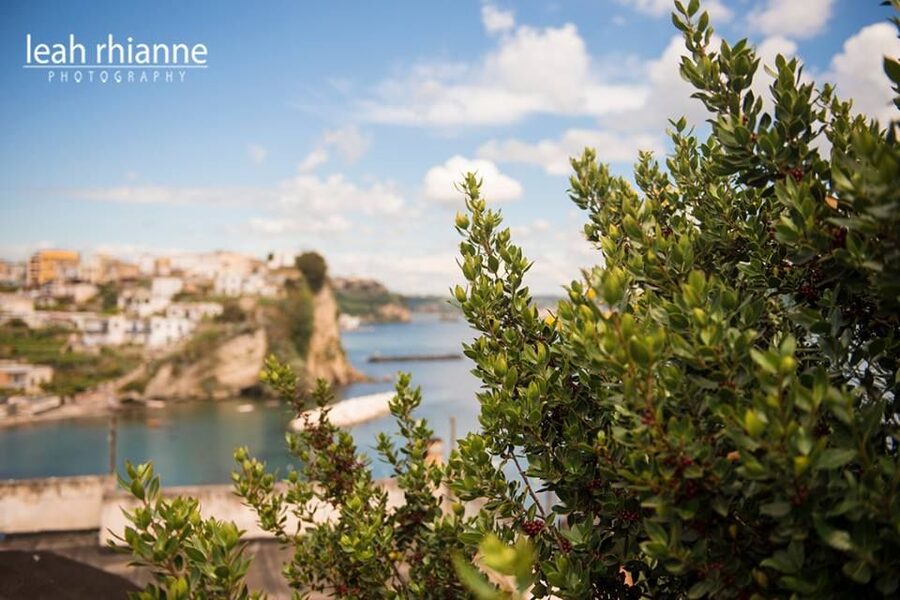
Baia was the Roman world’s resort coast, known for villas, baths, and an easygoing seaside setting. Wealthy Romans came here for rest and entertainment, and the remains show how closely pleasure and engineering were linked.
The Terme di Baia are among the most important included admissions. The complex gives you a look at Roman bathing culture and the technical skill needed to move and heat water. The ruins are spread across a setting shaped by volcanic movement, so the site has both architectural and geological interest.
Baia is also a place where the past is not always easy to read without help. Walls, arches, and fragments may look plain at first glance. A good guide can point out the purpose of the rooms and explain how they once worked together.
The setting can be uneven underfoot, so comfortable shoes are a sensible requirement rather than a suggestion to ignore. Sunglasses are useful too, especially in open areas near the coast.
Bacoli Bay, Cape Miseno, and Lake Fusaro
As the route continues through Bacoli and around the bay, the tour shifts toward views and local atmosphere. You see the coastline that made Campi Flegrei attractive to Roman residents, then reach Cape Miseno, a prominent point with strong links to the ancient naval world.
The itinerary also includes Lake Fusaro, another body of water shaped by the area’s volcanic setting. These lakes make Campi Flegrei feel distinct from a standard ruins tour. You are not moving from one stone monument to another. The water, hills, coast, and old buildings all form part of the story.
The Fiat is well suited to these connecting roads. It keeps the group small and lets you notice the changing scenery at close range. You may also find that the car attracts attention from pedestrians, which adds a playful touch to the drive.
Still, keep your expectations grounded. This is a five-hour tour with many named stops. You will see a broad range of places, but some stops may be brief rather than long, self-guided visits. If you want an entire day at one archaeological site, a more focused tour would suit you better.
Baia Castle and Casina Vanvitelliana
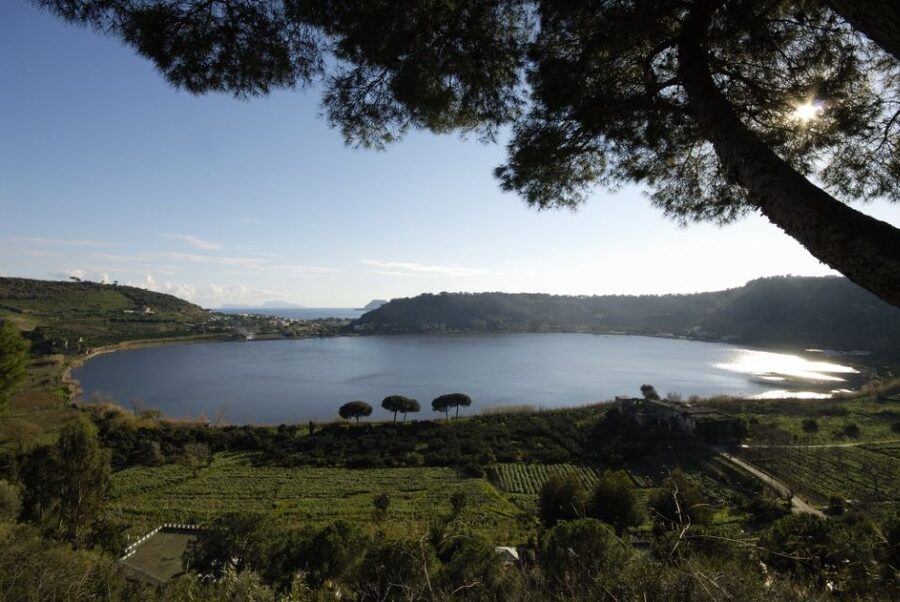
Baia Castle brings a later layer of history to the route. Set above the coast, it gives you a useful view over the area and reinforces Baia’s long military and strategic value. The location also helps you see how the ancient sites relate to the modern shoreline.
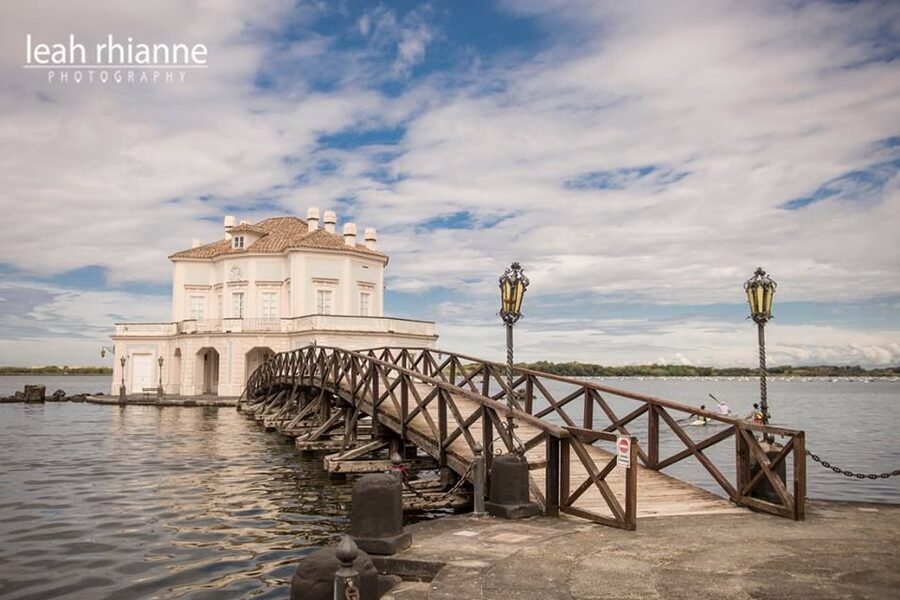
The final listed stop, Casina Vanvitelliana, sits on Lake Fusaro. This elegant eighteenth-century hunting lodge was designed for the Bourbon court and is linked with Luigi Vanvitelli, the architect associated with major Bourbon projects in Campania.
Its shape and position on the water make it very different from the Roman remains earlier in the day. The included entrance ticket means you get both the exterior setting and access to the building itself. I like this contrast: the tour does not treat Campi Flegrei as a single-period archaeological zone. Roman ruins, volcanic lakes, medieval defenses, and Bourbon architecture all share the same route.
What the private guide adds
The guide is more than a person who points out stops. The service promises an authorized guide who can explain local myths, history, and traditions while the driver handles the roads.
That division worked well for the outing led by Alberto and Luigi. Alberto guided, Luigi drove, and the pair helped create a sense of care and safety. You should not assume those exact names for every booking, but they show the kind of two-person team you may receive.
A private format also gives you room to ask for context. Why did the Romans favor Baia? How did volcanic movement affect the Temple of Serapide? Why does Lake Avernus appear in ancient stories about the underworld? Those questions are much easier to pursue in a small group.
The guide can also suggest different ways to enjoy local traditions and views. The provided experience includes a memorable stop for espresso and sfogliatelle, an ideal Campanian finish after several hours of ruins and volcanic scenery. Treat that as part of the local flavor rather than a guaranteed meal or food tour.
Is $339.86 per person a fair price?
At $339.86 per person, this is not a budget sightseeing ride. The price becomes easier to justify if two people share the experience and want private pickup, a vintage car, a guide, fuel, insurance, and three entrance tickets in one package.
You are also paying to connect sites that are spread across the western side of Naples. Recreating the day independently would involve transport planning, admission costs, and finding a way to move efficiently between Pozzuoli, Baia, Bacoli, Cape Miseno, and Lake Fusaro.
The value is weaker if you mainly want a cheap transfer or a quick look at one ruin. A public bus or standard group excursion may cost less. You also pay a premium for the car’s character, so someone indifferent to classic vehicles may not feel the same benefit.
I would compare this with the cost of a private car and guide for half a day in Naples. The included tickets and door-to-door service help, but the strongest reason to book remains the combination of Campi Flegrei and the Fiat itself.
Practical details for a comfortable five hours
Wear comfortable clothes and shoes. The route includes archaeological areas and old structures, where the ground may not be perfectly smooth.
Bring sunglasses and a camera. The coast, lakes, open ruins, and bright volcanic terrain can be hard on your eyes, and the Fiat makes an obvious subject for photographs.
Starting times depend on availability. The tour lasts five hours, with pickup and drop-off in Naples. You can request pickup at a hotel, train station, port, or another chosen location.
Free cancellation is available up to 24 hours before the experience for a full refund. You can also reserve now and pay later, which helps if your Naples schedule is still changing.
The tour is offered in English, Spanish, French, and Italian. It is private, and larger groups can ask about a custom arrangement. For the standard experience, two people are the best fit, with up to three possible.
Who should book this vintage Fiat tour?
I would choose this for a couple or small party that has already seen central Naples, or that wants a more unusual half-day outside the city. It is a strong choice for cruise passengers because pickup and return can be arranged at the port.
History lovers will appreciate the mix of Roman buildings, myths, volcanic activity, and later architecture. You do not need to be an archaeology expert. The route works because the guide connects the places in plain language.
This is also a good fit if you care about atmosphere. The Fiat, the small group, the coastal roads, and the espresso with sfogliatelle give the day a distinctly local feel.
I would think twice if you need a roomy vehicle, dislike uneven archaeological sites, or prefer spending several hours at one major monument. The itinerary covers a lot of ground, and the classic car has limits.
Should you book it?
Book this tour if you want Campi Flegrei presented as a living area rather than a list of ruins. You get ancient Pozzuoli, Roman entertainment, Baia’s baths, volcanic lakes, Cape Miseno, and Casina Vanvitelliana, all tied together by a private guide and a memorable car.
The price is high, but the package includes transport, fuel, insurance, pickup, guide service, and three admissions. For two people who would otherwise need to arrange private transport, it offers a practical way to reach a part of Campania that is easy to miss.
Choose it for the Fiat, the personal pace, and the mix of history and volcanic scenery. Skip it if your main goal is the lowest possible cost or a long, detailed visit at one archaeological site.
FAQ
How long does the Fiat 500 or 600 tour last?
The tour lasts five hours. Starting times depend on availability.
Where can pickup and drop-off take place?
Pickup and drop-off are available at your hotel, the train station, the port, or another location you choose in Naples.
What languages are available?
The live guide is available in English, Spanish, French, and Italian.
How many people can join the tour?
Two people are recommended, and the standard experience can accommodate up to three. Larger groups may request a custom arrangement.
Which entrance tickets are included?
Admission to the Anfiteatro Flavio, Terme di Baia, and Casina Vanvitelliana is included. Skip-the-line access is also provided.
What should I bring?
Wear comfortable shoes and clothes, and bring sunglasses and a camera.
Just added around Naples
- Vespa Naples rental★ 5.0 · 4 reviews
- Private Tour: Amalfi Coast by Vintage Vespa from Naples★ 4.5 · 7 reviews
- Vespa Panoramic Tour★ 5.0 · 9 reviews
- Private Tour: Naples Food Tasting Tour by Vintage Fiat 500/600★ 5.0 · 4 reviews
- Private Panoramic Tour of Naples by Fiat 500 and 600★ 5.0 · 2 reviews
- Panoramic and Historical Vespa Tour Naples★ 5.0 · 3 reviews
- Audioguided Vespa Tour of Naples (Vespa with driver)★ 5.0 · 9 reviews
- Private Tour: Naples Food Tasting Tour by Vintage Vespa★ 5.0 · 3 reviews
Naples Vespa Tours, compared.


Private Tour: Naples Food Tasting Tour by Vintage Vespa
Read our review →
Amazing audioguided Vespa Tour of Naples – with driver
Read our review →
Audioguided Vespa Tour of Naples (Vespa with driver)
Read our review →
Panoramic Private Tour by Vintage Fiat 500 or 600
Read our review →
Browse the lists this tour appears in