
REVIEW · PORTUGAL
Évora: Megalithic Sites and Wine Tasting Sidecar Tour
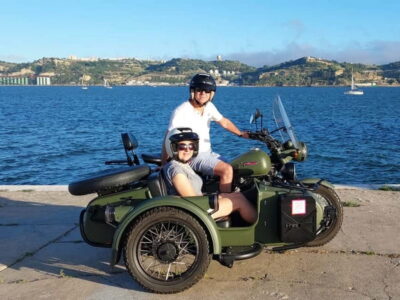
The most unusual way to reach Évora’s ancient stones is in a motorcycle sidecar, with the Alentejo countryside opening around you as Paulo Galego explains what you are seeing. This three-hour private tour links the Almendres megaliths, Portugal’s largest dolmen, cork country, and a tasting at Ervideira.
I like the way the tour connects Neolithic monuments with living rural traditions, especially cork harvesting and wine production. I also like the personal scale: you are with one guide rather than being moved through a large group. The main consideration is exposure to the weather. A chilly morning can feel cold in the sidecar, and the route includes walking on rural paths.
Key points
- Ride in a private motorcycle sidecar: A memorable way to leave Évora and see the countryside.
- See the Almendres cromlech and menhir: Ancient stones linked to Neolithic ritual and the Neolithic Revolution.
- Visit Anta Grande do Zambujeiro: Portugal’s largest dolmen and a major funerary monument.
- Learn about cork trees in the field: Paulo can show you the difference between cork oaks and ordinary oaks, including how cork is removed.
- Finish at Ervideira winery: The wine tasting gives the tour a distinctly Alentejo ending.
- Plan for sun or cold: Bring water, comfortable shoes, a hat, and sunscreen. Gloves or an extra layer can help on cool mornings.
Why the sidecar makes this Évora tour different
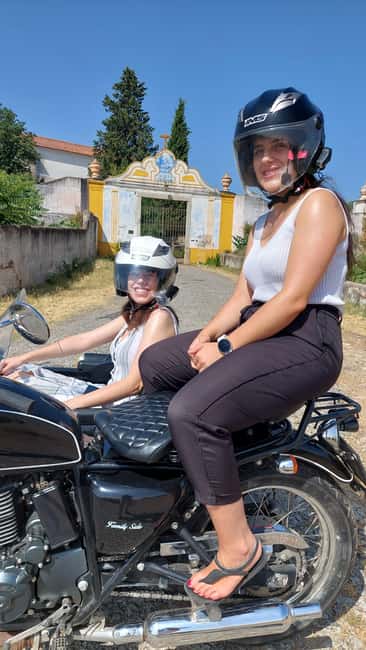
Évora has plenty of conventional walking tours. This is something else entirely. You meet at the main entrance of the Public Garden, near the Palace of Dom Manuel, then leave town by motorcycle sidecar for a private outing into the Évora District.
The sidecar matters because the ride is part of the experience, not just a way to get from one stop to another. You see open fields, cork and oak trees, and Portuguese vineyards at road level, with the air and weather close around you. It gives the trip a playful quality, but the history remains the main subject.
Paulo Galego is the guide and driver. He speaks English, Portuguese, and Spanish. His work on the tour goes beyond naming monuments. He explains how to tell a cork oak from a regular oak, how cork is harvested, and how farming shapes the countryside. That makes the ride more useful than a simple scenic transfer.
The private format is especially helpful at ancient sites. You can ask questions, pause for photographs, and spend more time on the parts that interest you. It also means the tour suits couples, families, or friends who prefer a flexible outing instead of a fixed large-group schedule.
More Vespa Sidecar Tours in Portugal
- Private Tour: Best of Lisbon by Sidecar
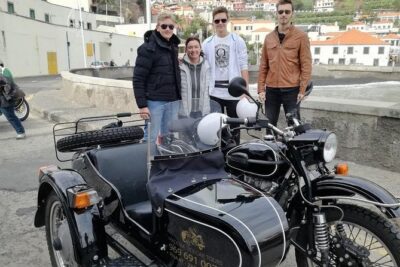
★ 5.0 · 377 reviews - Madeira Sidecar Adventure – Old West Road (1 or 2 Persons)
★ 5.0 · 228 reviews - Lisbon: Sidecar Tour
★ 5.0 · 123 reviews
Starting at Évora’s Public Garden
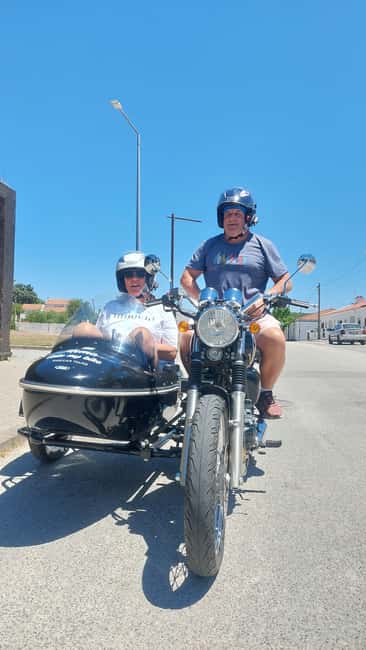
The meeting point is the main entrance to Jardim Público de Évora, close to the Palace of Dom Manuel. This is central and easy to combine with time in the old city, but you need to arrange your own way there. Transport to and from the meeting point is not included.
The tour lasts three hours, so it works well as a half-day addition to a longer Évora visit. You do not need to pack a full day of food or equipment. Bring water, wear comfortable clothing and walking shoes, and add a hat and sunscreen when the forecast is bright.
The timing has a practical advantage. You can see several major sites without giving up an entire day in Évora. The tradeoff is that each stop has to remain focused. This is an introduction to the megalithic country around the city, not an archaeological expedition with long periods for independent study.
Almendres and the Neolithic world
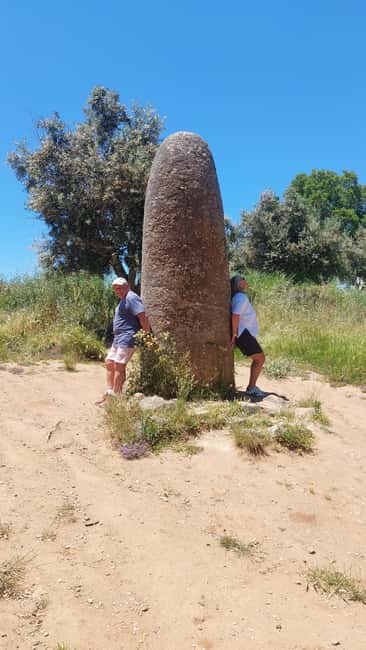
The first major section takes you toward Valverde and Guadalupe, where you see the Cromlech of Almendres and the Menhir of Almendres. These stones date from the megalithic era and connect to the Neolithic Revolution, the period when communities increasingly adopted farming, animal raising, and settled ways of life.
You will hear about the possible ritual role of the stones and the people who placed them. The exact meaning of megalithic monuments is not always certain, so a good guide should explain what is known and what remains open to interpretation. Paulo’s explanations are aimed at making the setting understandable rather than treating the stones as isolated curiosities.
The cromlech is the more complex arrangement, with stones set in relation to one another. The menhir is a single upright stone, and seeing both helps you understand that megalithic sites were not all built for the same purpose. Their scale is also worth noting. You are not entering a grand building with carvings and inscriptions. You are reading a broad, quiet site through its position, form, and relationship to the surrounding countryside.
This is where the tour’s historical focus earns its place. You are not simply checking off an ancient monument. You are given a basic framework for thinking about early communities, ritual activity, farming, and the long human use of the Alentejo.
The route includes a photo stop and free time, listed at about 15 minutes. That is enough to take pictures and look around, but probably not enough for a slow, independent archaeological study. If you want long stretches of solitude at each stone, a private car and a full-day plan would suit you better.
Anta Grande do Zambujeiro, Portugal’s largest dolmen
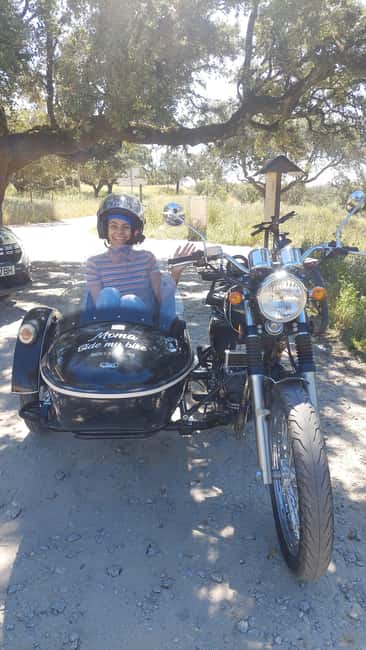
The next important stop is Anta Grande do Zambujeiro, described as the largest dolmen in Portugal. An anta is a megalithic funerary monument, built from massive stones and used for burials during the megalithic era.
This stop changes the story. At Almendres, the focus is on arranged stones and possible communal or ritual use. At Zambujeiro, the monument’s funerary purpose brings the ancient community closer to the people who lived and died here. You are looking at a structure made for remembrance, ceremony, and burial, not just a marker in the countryside.
The visit lasts about 38 minutes in the stated schedule. That gives you time to see the monument, listen to the explanation, and take photographs without rushing through the area. The exact condition and access of an ancient stone monument can vary, so comfortable shoes are important.
Do not expect a polished museum setting. The appeal is the direct encounter with the monument and its setting. Interpretation from the guide matters because a dolmen can look like a pile of very large stones if you do not understand how it was built or why it mattered.
For me, the best part of this stop is the sense of scale. The stones are a physical reminder that people in the region were organizing labor and ceremony thousands of years ago. You do not need specialist archaeological knowledge to appreciate it, but you should come ready to listen and look closely.
Same roads, a different ride:
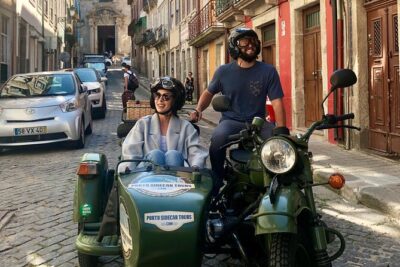
- Highlights of Porto on a glamorous sidecar – Half Day
★ 5.0 · 108 reviews - Vespa Primavera 24 Hour Rental in Madeira
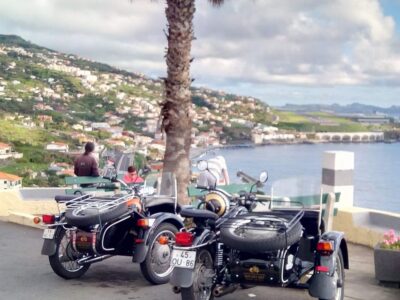
★ 5.0 · 65 reviews - Madeira Island: 3-Hour Old Road Tour by Sidecar
★ 5.0 · 60 reviews - Half-Day Private Sidecar Tour on Madeira’s West Coast
★ 5.0 · 41 reviews
Cork oaks, farming, and the Alentejo countryside
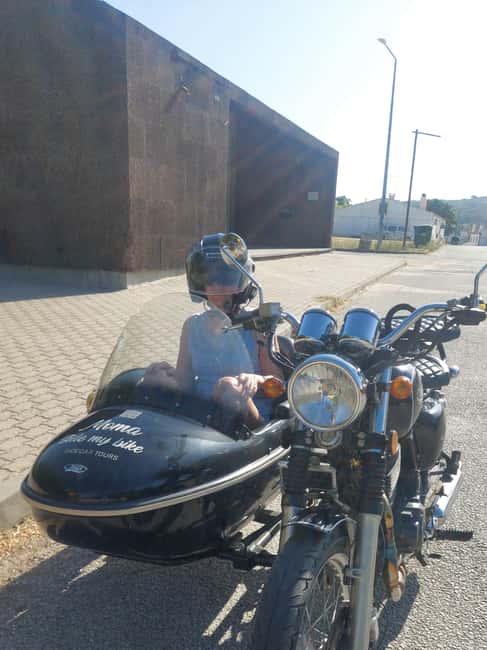
Between the monuments, Paulo points out the rural details that make the Évora District more than a route between attractions. The countryside includes cork and oak trees, fields, and vineyards. These are not just pleasant views from the sidecar. They are working parts of the local economy.
One particularly useful detail is learning to tell cork oaks from ordinary oaks. Paulo can show examples of trees that have been harvested and explain the technique used to remove cork. That turns a familiar rural scene into something you can understand. The stripped lower trunks of harvested cork oaks can look surprising if you have never seen the process before.
This is an area where the private guide adds real value. A sign may identify a tree, but it will not necessarily explain how the harvest works or why the tree remains useful after its bark is removed. The tour ties the ancient sites to present-day land use, showing that the region’s story did not end with the Neolithic period.
You may also stop at a visitor center and walk around its exhibits. This offers a change from the open-air monuments and gives you another way to place the area’s history in context. The tour schedule allows about 45 minutes for one of the longer visits, which helps keep the middle of the outing from feeling like a quick photo run.
The sidecar is enjoyable, but do not treat it like a weatherproof sightseeing bus. Cool air can be noticeable in the morning. On one cold outing, Paulo supplied gloves to the passenger in the sidecar, but an extra layer or blanket is still sensible in cooler months. In warm weather, sun protection becomes the bigger concern.
Ervideira wine tasting
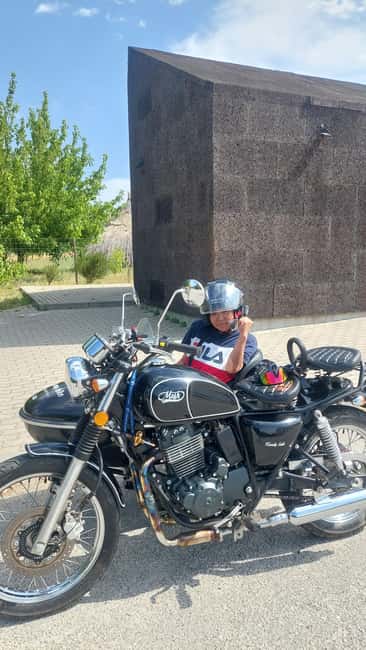
The tour ends with wine tasting at Ervideira, a well-known winery in the region. This is a good final stop because it brings you from ancient agricultural communities to a current Alentejo product.
The tasting is included, and participants must be of legal drinking age. The experience does not include the optional Alentejo food board with cheese, ham, bread, olive oil, and a sweet. If you want those regional flavors alongside the wine, ask about availability and cost before assuming they are part of the $61 price.
I like the structure of this finish. After several sites focused on stones, burials, and early farming, you end with something social and sensory. You taste the region rather than only looking at it. The winery stop also gives the tour a calmer close after the movement of the motorcycle ride.
Keep your expectations clear. This is a wine tasting within a three-hour sightseeing tour, not a full winery day with several estates and a long technical lesson. The value comes from combining the tasting with the monuments and countryside in one compact outing.
At $61 per person, the price is reasonable if you want all three elements: private guiding, a distinctive sidecar ride, and wine tasting. You are paying for a small-format experience and a guide who provides historical and rural context, not simply transportation. The value is weaker if you only want to visit the stones, since a self-guided visit or ordinary taxi arrangement might cost less, though it would not provide the same interpretation or unusual ride.
Practical comfort and who should book
You should wear shoes suited to walking on rural paths and open ground. Bring water even though the tour is short. A hat and sunscreen are important on sunny days, while gloves and a warm layer help in cool weather.
Smoking is not allowed in the vehicle or indoors, and alcohol or drugs are prohibited outside the planned wine tasting. These are simple rules, but the sidecar has limited space, so travel light and keep your belongings secure.
The tour is best for someone who wants more than Évora’s standard city sights. It suits couples and small private groups who enjoy history but also want scenery, conversation, and a bit of novelty. It is also a good choice if you have already visited Évora’s central monuments and want to see the surrounding district.
One useful point from the experience is that getting in and out of the sidecar was manageable for a passenger in their mid-60s. That does not guarantee the same comfort for every person, and the tour data does not provide a formal accessibility rating. If you have mobility concerns, ask the provider before booking.
The tour is less suitable if you dislike motorcycles, feel uncomfortable in open vehicles, or need long indoor breaks. It is also not the right pick for anyone under the legal drinking age if the wine tasting is a main reason for booking.
Should you book this sidecar tour?
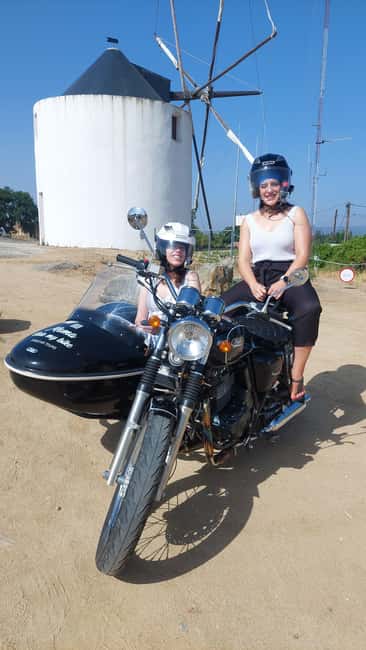
Book it if you want Évora’s ancient sites explained in their rural setting, rather than visited as disconnected points on a map. The strongest parts are the private attention from Paulo Galego, the practical look at cork harvesting, and the unusual sidecar ride between the Almendres stones, Anta Grande do Zambujeiro, and Ervideira.
Think twice if you want a slow archaeological tour, guaranteed warm transport, or a full winery program. For most people seeking a compact and unusual half-day outing, $61 is fair value, especially because the wine tasting is included and the tour brings together prehistory, farming, scenery, and local wine in one well-shaped route.
FAQ
How long does the Évora sidecar tour last?
The tour lasts three hours, including the visits to the megalithic sites, time in the Évora countryside, and the wine tasting at Ervideira.
Where does the tour begin?
It begins at the main entrance of Jardim Público de Évora, near the Palace of Dom Manuel.
Is transport to the meeting point included?
No. You must arrange your own transport to and from the starting location.
Which languages does the guide speak?
The tour is offered in English, Portuguese, and Spanish.
Is this a private tour?
Yes. The experience is organized for a private group.
Which megalithic sites are included?
The tour includes the sites of Valverde and Guadalupe, the Cromlech and Menhir of Almendres, and Anta Grande do Zambujeiro.
Is the wine tasting included?
Yes. The wine tasting at Ervideira is included, but participants must be of legal drinking age.
Is food included with the wine tasting?
No. The optional Alentejo food board with cheese, ham, bread, olive oil, and a sweet is not included.
What should I bring?
Bring water, comfortable clothes, and comfortable walking shoes. A hat and sunscreen are useful for sun protection, while a warm layer or gloves can help in cold weather.
More Vespa Wine Tours in Portugal
- Chianti Vespa Tour with Lunch from Florence & E-car Option
★ 5.0 · 1,453 reviews - Florence: Chianti Wine Region Vespa or Fiat Topolino Tour
★ 4.8 · 739 reviews - Self-Drive Vintage Fiat 500 Tour from Florence: Tuscan Wine Experience
★ 5.0 · 660 reviews - Tuscany Vespa Tour: Lunch & Wine Tasting, Countryside Roads
★ 5.0 · 614 reviews
Just added around Portugal
- Private Tour of Piaggio Ape Calesino★ 5.0 · 2 reviews
- Lisbon – Private Vintage Sidecar Tour to Sesimbra’s Coast★ 5.0 · 13 reviews
- Private Sidecar Sunset & Drinks!★ 5.0 · 16 reviews
- Lisbon by Fiat 500 Jolly convertible!!★ 5.0 · 4 reviews
- Lisbon: Private Experience Motorcycle Sidecar Tour★ 5.0 · 14 reviews
- Private Vespa West Tour-Seixal,São Vicente,Porto Moniz(4hr)★ 5.0 · 4 reviews
- Private Vespa Tour Nun´s Valley,Câmara Lobos,CaboGirão(4hrs)★ 5.0 · 6 reviews
- Porto Private Sidecar Tour★ 5.0 · 18 reviews
Portugal Vespa Tours, compared.
Madeira Sidecar Adventure – Old West Road (1 or 2 Persons)
Read our review →
Highlights of Porto on a glamorous sidecar – Half Day
Read our review →

Browse the lists this tour appears in